💌 In my newsletters, I am share with you tips on how I’ve lost almost 30 POUNDS and the recipes I used to get there. I also send out the weekly sales, steals, and deals. And it’s completely FREE. Sign up below!
And it’s completely FREE..sign up HERE!
Watch on YouTube!
One of the most frequent emails that I receive from you ladies is how you are treated differently at doctors’ appointments and report receiving a higher level of care when you wear a Midlife Posh Closet approved outfit … as opposed to when you did not. This is an ugly truth that we dive into today: why it happens, what you can do about it, and 9 summer outfit examples to make sure you are taken seriously at your next doctor’s appointment to receive the highest level of care.
So the next time you are headed to a healthcare appointment, put on a Midlife Posh Closet approved outfit that makes you stand tall and walk with confidence. When it comes to doctor’s appointments, your summer outfit is more than just summer fashion: it is a form of self-advocacy. Because here is the UGLY truth: your outfit could influence your medical care, whether you realize it or not.“They View You as They SEE You…”
They View You as They SEE You…

First Impressions Influence Your Medical Experience
First impressions have a powerful impact, especially in the sterile, high-stakes world of healthcare. Your appearance can quietly—but decisively—affect how seriously you are taken by everyone from front-desk staff to the physician. Research and numerous patient stories confirm that both ageism and sexism persist in medical settings, and that attire often factors into these dynamics. The shift can be subtle:
- Wearing something too casual? You may be seen as disengaged.
- Appearing polished and put-together? You project vitality and agency—as well as an expectation to be heard.

Reducing Age and Gender Bias
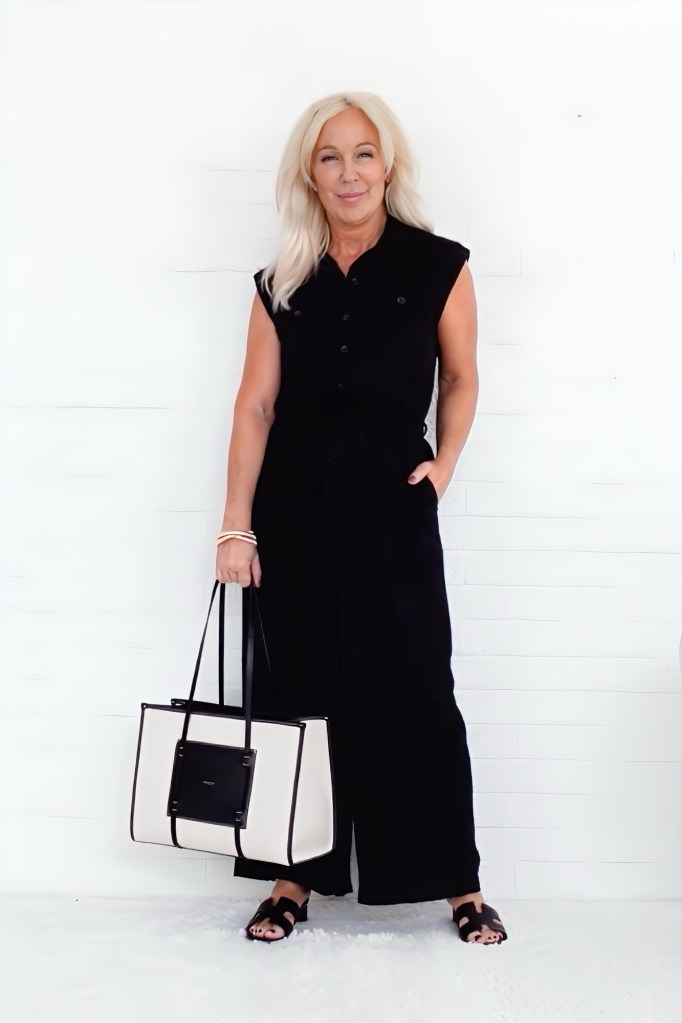
Unconscious bias forms a hidden barrier for women as we get older. Doctors and staff can fall prey to stereotypes based on age, gender, and even clothing. For GenX and Boomer women, this means the stakes are especially high. Dressing in an “elevated” style—tidy, confident, and expressive—can help disrupt ingrained biases, signaling engagement and presence, which can translate into more attentive and respectful treatment.

Empowerment and Self-Advocacy Through Dress
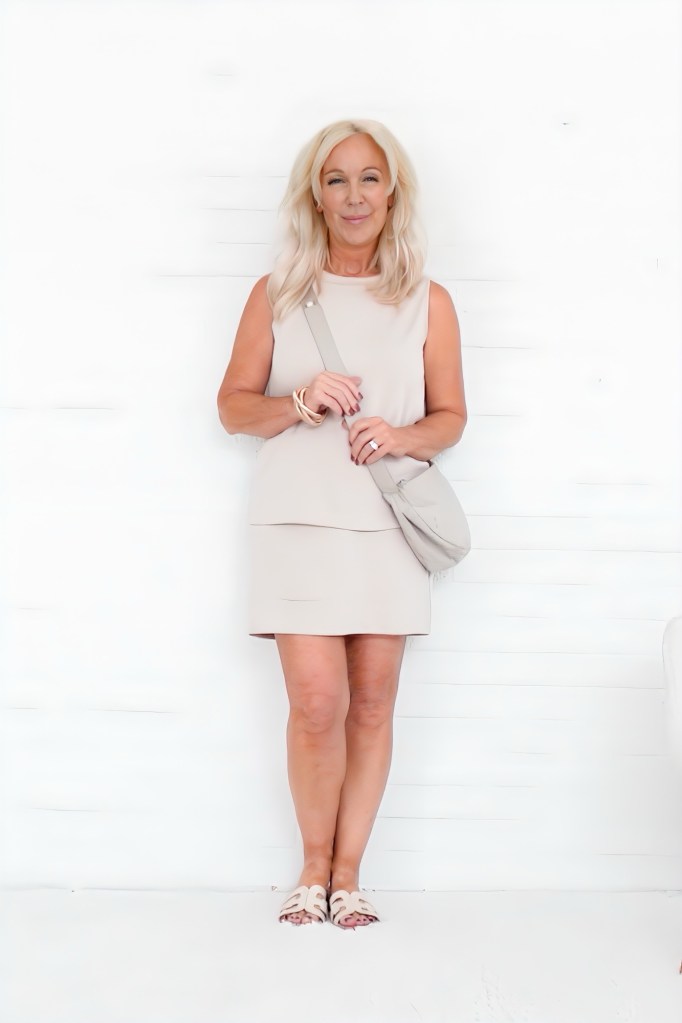
Dressing well isn’t vanity—it’s self-advocacy. When you make intentional choices about your appearance, you’re not just signaling competence; you’re giving yourself a confidence boost. That self-assurance makes it easier to:
- Speak up about symptoms and concerns
- Ask tough questions about tests and diagnoses
- Insist on the care you deserve
Medical visits can become especially daunting during difficult diagnoses or treatments. Many women report that putting extra thought into their outfits helped them feel more in control, grounded, and dignified—even under stress.

Gaining Attentive and Respectful Treatment
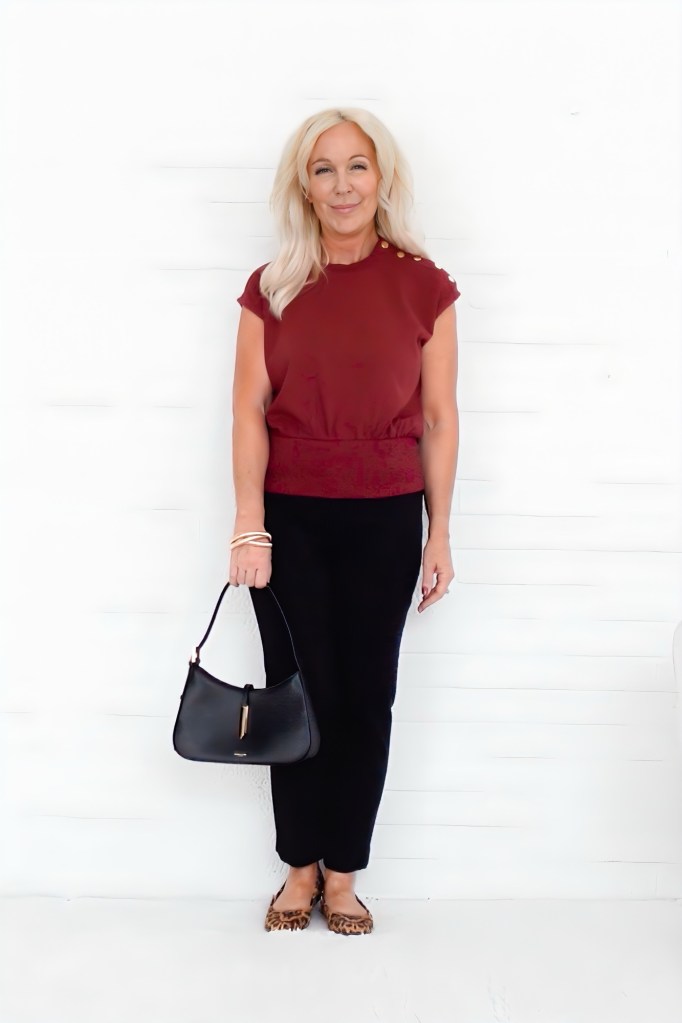
Surveys and studies reveal that patients believe tidy, put-together attire earns them better attention from healthcare providers. You ladies regularly report to me that incorporating Midlife Posh Closet principles into your medical appointment outfit changes the level of care you receive for the better. This perception is more than superficial—doctors are sometimes unconsciously more focused and thorough with patients who look engaged and self-assured. Your outfit becomes an ally, not just for your own self-esteem but for the level of medical care you receive.
Society often sidelines older women, judging their appearance and even rendering them invisible. For women over 40, 50, and 60, dressing in a polished, confident way can be a form of quiet resistance—reclaiming visibility and demanding respect in both medical settings and the culture at large.
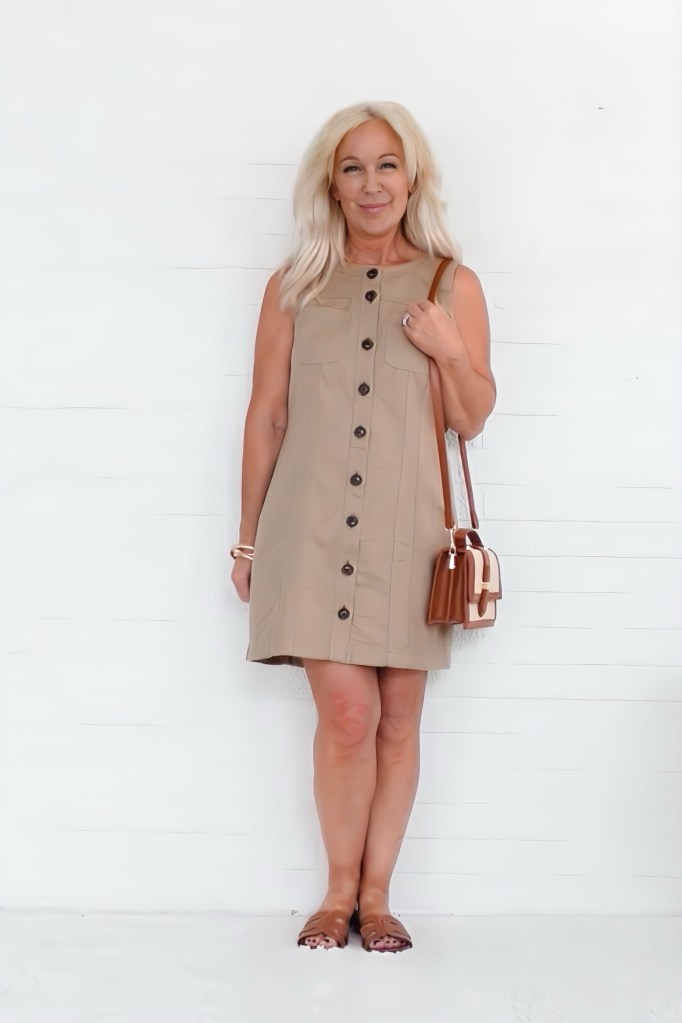

Table: Tangible Benefits of Dressing Intentionally for Appointments
| Benefit | Description |
| More Respectful Interactions | Seen as engaged, prepared, and confident |
| Counteracts Implicit Bias | Reduces risk of being dismissed due to age/gender |
| Greater Self-Esteem & Agency | Easier self-advocacy and communication with providers |
| Potential for Better Outcomes | Increased attentiveness and thoroughness from staff |
| Improved Personal Well-being | Boosts mood and self-worth, even during health challenges |
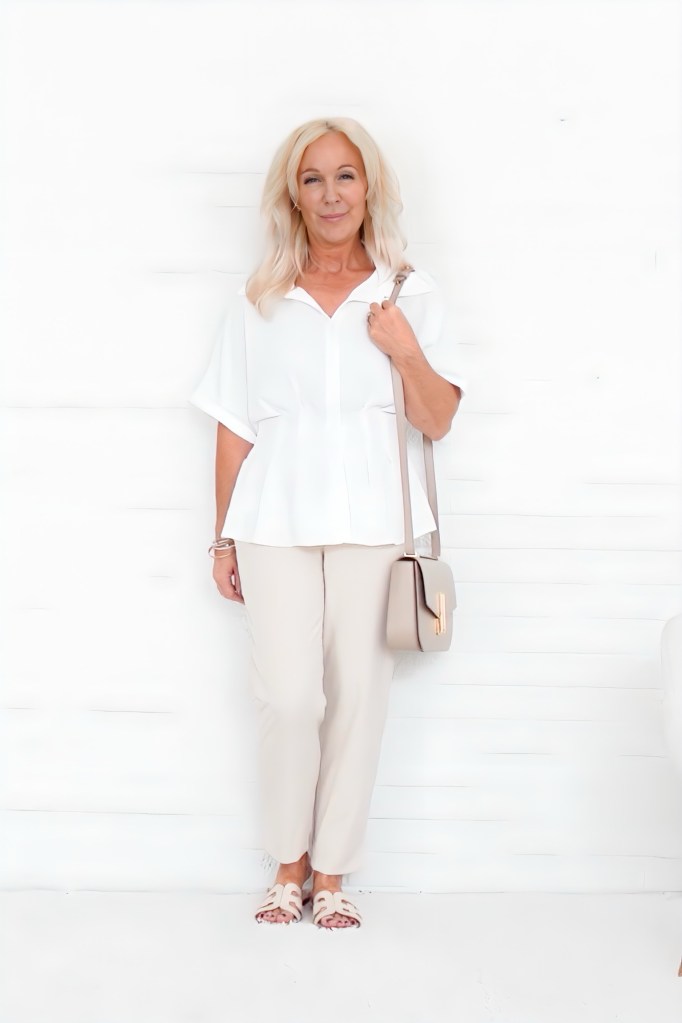
How GenX Women Can Dress to Command Respect
If you’re wondering how to put these ideas into practice, here are fashion and beauty tips tailored for GenX and Boomer women—women who value classic style, confidence, and practicality:
Smart Fashion Choices
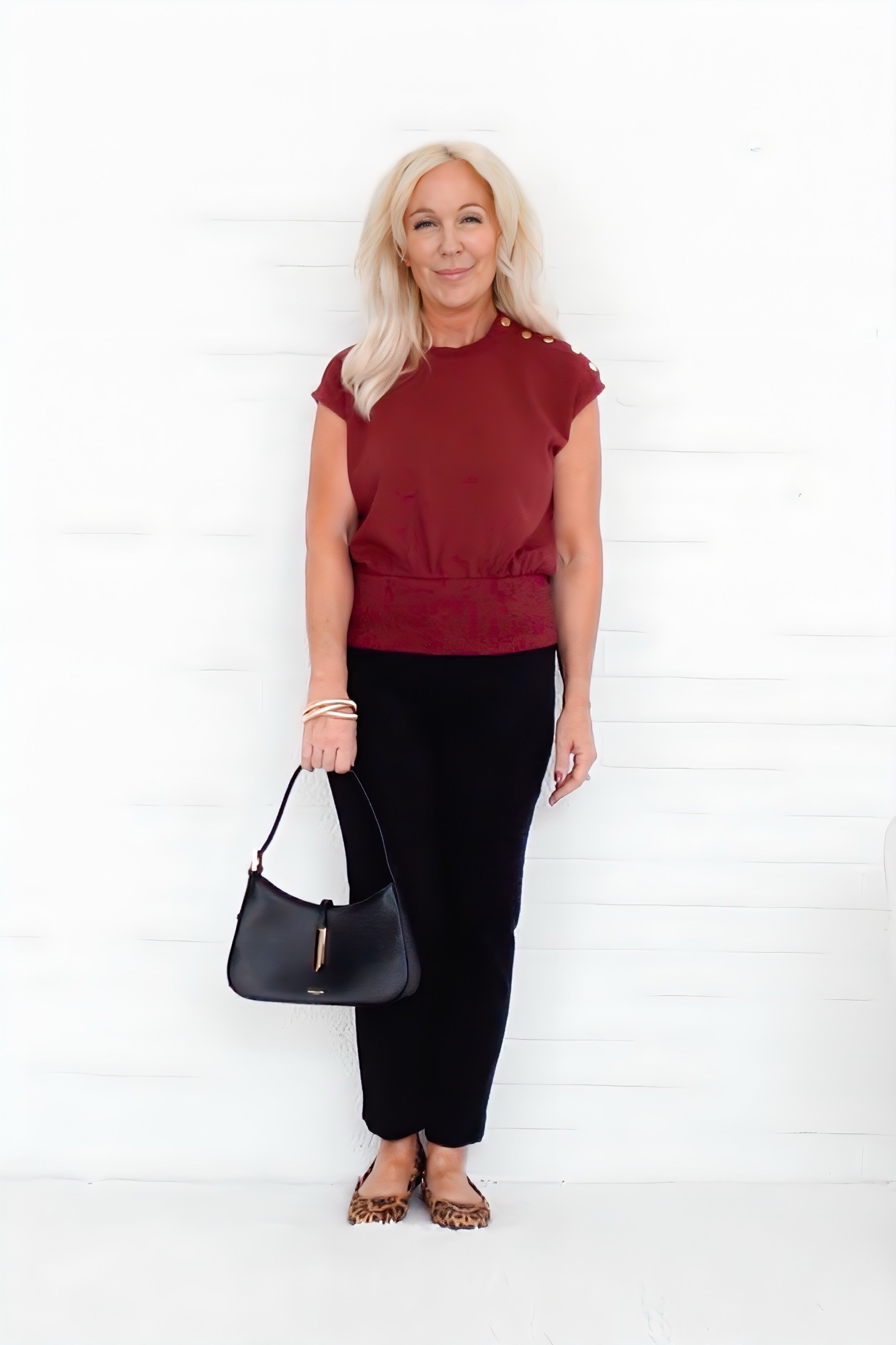
- Polished, Elevated Pieces: Tailored pants or a knee-length skirt with a fitted blouse. Avoid overly casual, revealing, or ill-fitting styles.
- Structured Layers: A blazer, jacket, or neat cardigan signals professionalism.
- Comfort with Polish: Wear tidy, comfortable clothes (think “first-class travel,” not “gym wear”)—opt for separates for easy changing.
- Shoes and Accessories: Choose closed-toe shoes (flats, loafers, or low heels) and keep accessories simple—such as a subtle necklace or a SIMPLE silk scarf. An organized handbag completes the look.

Beauty & Grooming Essentials
- Natural, Well-Groomed Appearance: Minimal, fresh makeup—watch my three minute Seint makeup look for midlife women here.
- Tidy Hair: Ponytail, bun, or neatly styled bob. Avoid messy or unkempt looks.
- Well-Groomed Nails: Neutral or clear polish, neatly shaped, kept short.
- Skin Care: Simple routine to maintain healthy skin, even if you’re short on time.
- Fragrance: Steer clear of fragrance and scented lotion.
- Always Look Fresh: Clothes should be clean, pressed, and free of stains.
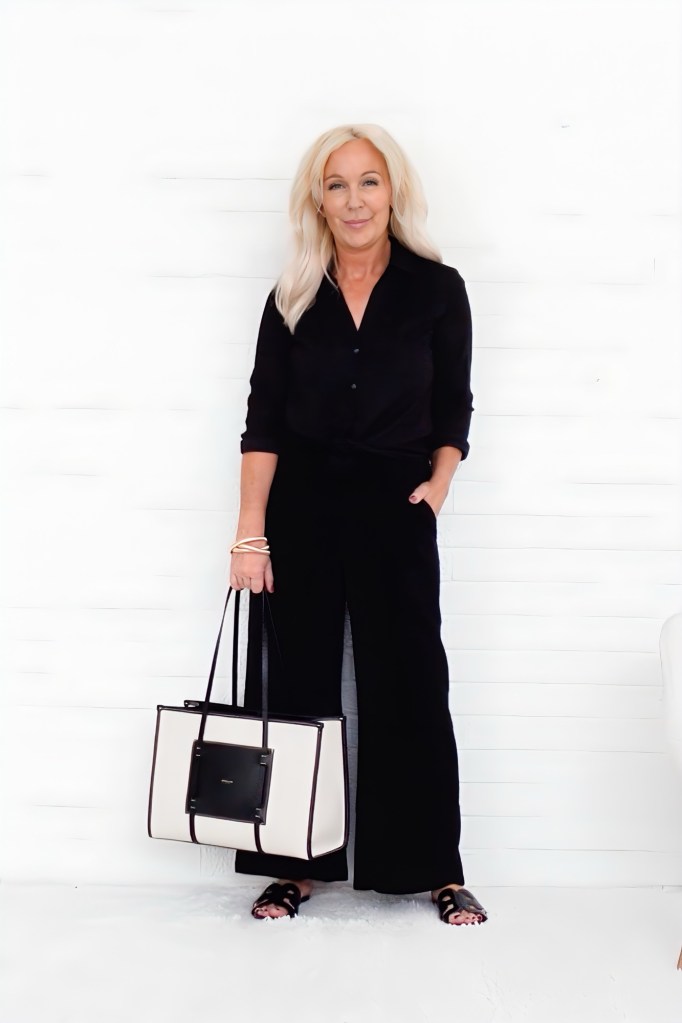
What to Avoid
- Too many accessories
- Chunky Necklaces and Bracelets: these get in the way when the medical professionals are checking your pulse and listening to your heart/chest/lungs!
- Baggy sweats or overly worn jeans (unless health requires it)
- Loud or revealing statement pieces
- Dramatic makeup or flashy nails
- Scuffed footwear or chipped polish
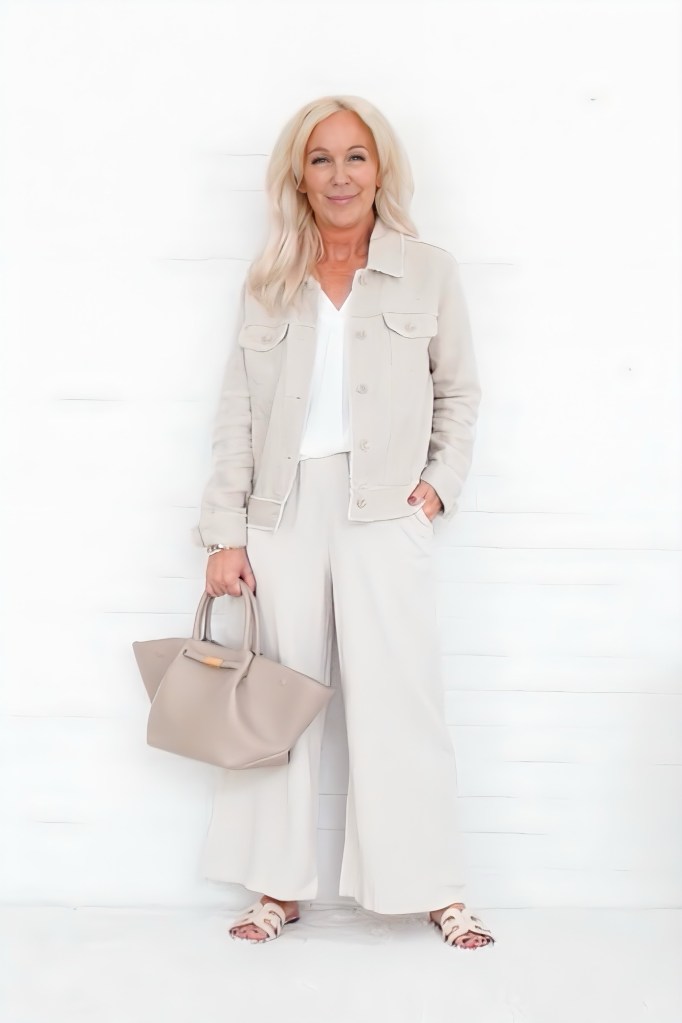
Quick Wardrobe & Beauty Checklist
| What to Wear/Do | Why It Works |
| Tailored separates | Projects engagement and professionalism |
| Well-Kempt Feet | Shows polish and readiness |
| Minimal, natural makeup | Maintains professionalism and poise |
| Tidy hair | Conveys attention to detail |
| Simple accessories | Adds polish, keeps the focus on you |
| Well-groomed nails | Signals care and competence |
| Fresh, clean clothes | Upholds hygiene and confidence |
Viewer Tips:
- STAY OFF YOUR PHONE and be engaged with your healthcare provider.
- Take notes from the appointment on a notepad or notebook RATHER THAN YOUR PHONE so that you look engaged to your healthcare provider.
- Be polite, smile, and make eye contact with your providers.
- These principles equally apply to CAREGIVERS, not just patients.
Dress to Be Heard, Not Just Seen
For GenX, young Boomers, and all women redefining midlife, dressing in an “elevated” style for a medical appointment is more than fashion—it’s strategy. It’s an act of self-respect and a way to advocate for yourself in a healthcare system that sometimes overlooks women past a certain age. The next time you head out for a doctor’s visit, choose the outfit that makes you stand tall and walk in with confidence. How you show up can truly help shape the care you receive. As one viewer commented, what we wear to our next healthcare appointment could literally save our lives.
“I am 5’0 with a 26” inseam and generally wear size 2P. All items fit TTS (true to size) unless otherwise stated.“
- Valarie
Midlife Posh Closet uses affiliate links within this site. Purchasing an item through a link from MidlifePoshCloset.com or Midlife Closet social media (Facebook, Pinterest, Instagram, TikTok, YouTube) may result in a commission. Merely clicking on a link does not result in a commission, but if an item is purchased as a result of the link, a commission is earned. If you have any specific questions about my disclosures or affiliate links, please feel free to contact me directly at val@midlifeposhcloset.com
I not only enjoy your fashion sense and tips , but your mentoring and advice. Thank you for sharing your best of life experiences!
Have a wonderful day!
Thank you for your kind words and positive support. Both are genuinely appreciated, Mary.
Thank you for this most interesting article. I was raised by physicians and know that your appearance, your attention in the moment & your interactions enable your physician to have a true view of YOU.
What I found most intriguing about the discussion on YouTube was not one of the medical doctors who chimed in disputed the studies or the experiences of our viewers. In fact, one physican actually commented on what she would like to see patients wear to an appointment…and gave some grooming tips as well. So interesting.
Definitely! Many times I’ve actually been asked, “Are you a medical professional?” Basically, yes: I’m a homeschool mom of five. 😁
I dress professionally, because I’m a professional mom – I want my family and other homeschool moms to look like they have self-respect!
My mom broke her femur in her 80s, and I had to pull the hospital staff aside and give them a wake up call: “She’s not a dying little old lady. She lives alone, drives well, and runs a business which supports her! Do not treat her as if she’s dying.” if they’d seen her on a normal day, they would have realized the league she put herself in!
Very interesting article, but I believe that this transcends into all aspects of how we appear to others. Like it or not, people form their opinion of a person within seconds. Ergo, looking neat and put together is always a good rule.
Thank you for reminding everyone the importance of it!
I’m 82. Growing up we always wore our best clothes to visit the doctor. That’s how my mother dressed us. Through the years, I have found that I get more attention from doctors, dentists, salespeople, etc. if I take the time to be neatly dressed and well groomed. I don’t usually leave my house unless I’m put together. It doesn’t take much extra time and it shows respect for the people that I am going to see.